
July 22, 2026
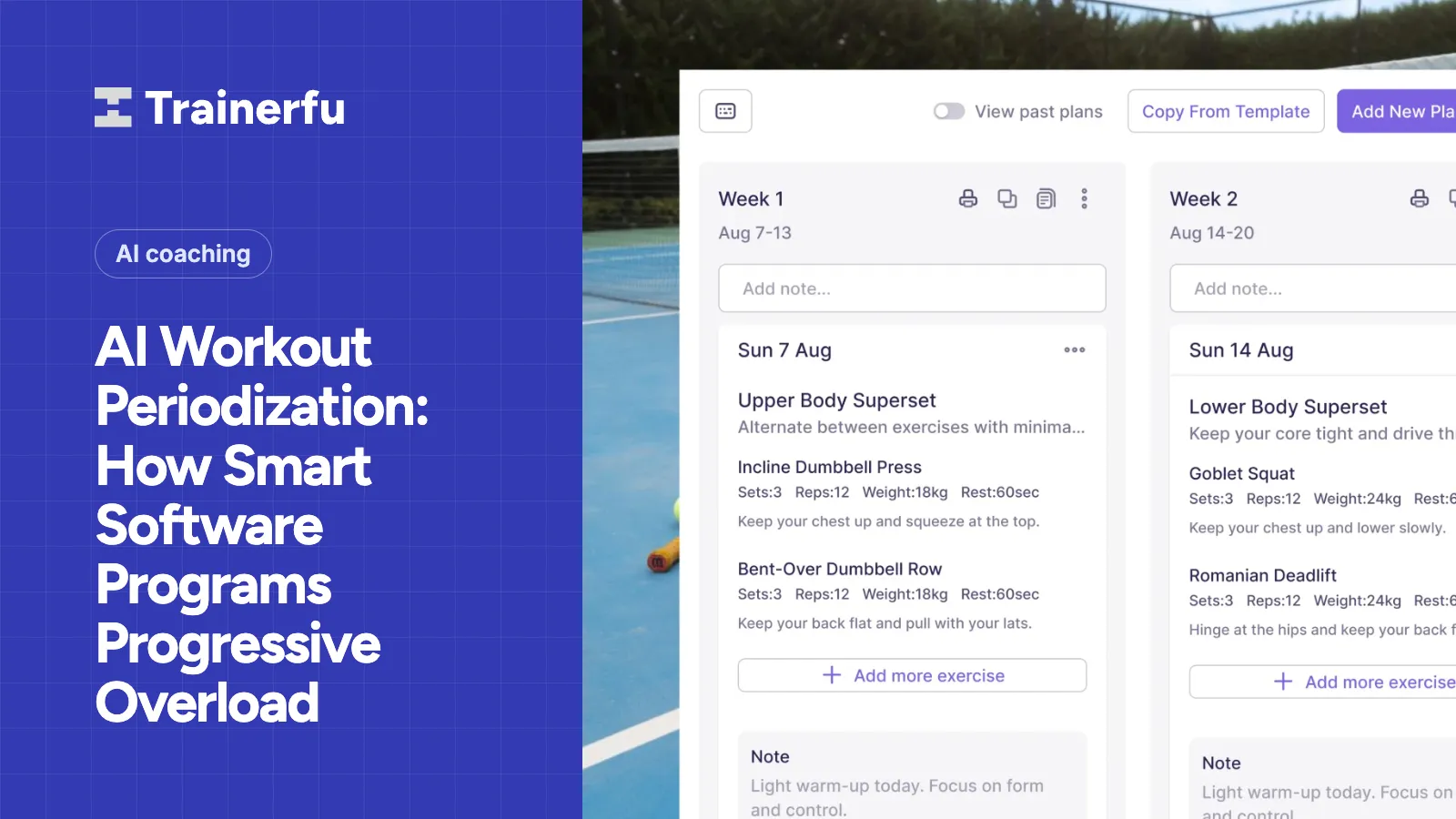
AI Workout Periodization: How Smart Software Programs Progressive Overload
Blog Summary
Periodization is the science of structuring training over time to produce consistent progress and prevent stagnation. It is also one of the most time-consuming parts of running a coaching business, because doing it well requires tracking each client’s performance continuously, identifying when to advance load, when to pull back, and when to shift training emphasis, across every client simultaneously. AI workout periodization software changes this by handling the data monitoring and progressive overload logic automatically, so the trainer’s expertise goes to the decisions that require human judgement rather than to the operational work of identifying when each of 30 clients needs a programme adjustment. This guide explains exactly how it works, what the software is actually doing, and what it means for coaches and clients in 2026.
What You Will Learn
- What periodization actually means and why it matters for client results
- How AI workout periodization software handles progressive overload automatically
- The difference between static periodization models and adaptive AI-driven programming
- What data the AI reads to make periodization decisions
- Where AI periodization works best and where human coaching judgement is still essential
Introduction
The concept of periodization has been central to athletic training since Soviet sports scientists developed systematic approaches to structuring training load in the 1950s and 1960s. The core insight has not changed: training adaptations require progressive stress, recovery, and variation over time. Without structure, training produces initial gains that plateau quickly. With structure, training produces consistent progress over months and years.
The challenge for personal trainers is that applying periodization principles well, across a roster of clients with different goals, different training ages, and different responses to training load, requires a level of continuous monitoring and adjustment that is genuinely difficult to deliver manually at scale.
AI workout periodization software addresses this not by replacing the coach’s periodization knowledge but by handling the data monitoring and progressive overload execution that turns a periodization framework into a living, adapting programme for each individual client. The trainer sets the framework. The software executes within it and flags the decisions that require human review.
This guide explains what that actually looks like in practice.
What Periodization Actually Means and Why It Matters
Before covering how AI handles periodization, it is worth being clear about what the term means and why it matters for client results.
The Core Problem Periodization Solves
The human body adapts to training stress by becoming stronger, more conditioned, or more skilled at the movements being trained. This adaptation is the goal of training. It is also the reason training eventually stops working.
Once the body has adapted to a given training stimulus, that stimulus no longer produces meaningful adaptation. The trainee has to either increase the stimulus, change the stimulus, or allow recovery before reapplying the original stimulus. Without systematic management of this cycle, training produces the pattern most experienced coaches recognise: rapid early gains followed by a plateau that feels impossible to break through.
Periodization is the systematic management of training stress, recovery, and variation over time to prevent this plateau and produce consistent long-term progress.
The Three Core Variables Periodization Manages
Volume: The total amount of work performed in a training session or week, measured in sets, reps, or total tonnage. Volume drives hypertrophy and general conditioning adaptations.
Intensity: The relative demand of the work performed, typically expressed as a percentage of one-rep maximum for strength training or as RPE for both strength and conditioning work. Intensity drives strength and neural adaptations.
Frequency: How often a given muscle group, movement pattern, or energy system is trained within a given time period. Frequency influences the rate of adaptation and recovery.
Periodization manages these three variables systematically over time, typically organised into training blocks of varying length and emphasis, to produce progressive adaptation without accumulated fatigue becoming a limiting factor.
Linear, Undulating, and Block Periodization
The three most widely used periodization models in personal training each manage the three core variables differently.
Linear periodization progressively increases intensity and decreases volume over time within a training block. It is the simplest model and the most effective for beginners whose bodies adapt rapidly to almost any consistent training stimulus.
Undulating periodization varies intensity and volume within a shorter time frame, sometimes week to week or even session to session, to produce multiple adaptive stimuli simultaneously. It is more effective for intermediate and advanced trainees who have adapted to the predictable progression of linear models.
Block periodization organises training into distinct phases with different emphases: an accumulation block focused on volume, a transmutation block focused on intensity and specificity, and a realisation block focused on peaking performance. It is most commonly used with athletes preparing for competition but is increasingly applied in physique and general fitness contexts.
AI workout periodization software can implement all three models. The trainer selects the appropriate model for each client based on their training age and goals. The software executes the progression logic within that model and adapts based on the performance data each client generates.
How AI Workout Periodization Software Actually Works
The most important thing to understand about AI workout periodization is what the software is actually doing at the data level. Most descriptions of this capability are vague in a way that makes it hard to evaluate whether a given platform is genuinely doing what it claims.
Here is what genuine AI workout periodization software does after a client logs a session.
Step 1: Reading the Performance Data
When a client logs a session, the platform captures the performance data generated: the sets completed, the loads used, the reps achieved, the RPE reported, and any session feedback the client provides. This data is compared against the targets set in the programme and evaluated against the progressive overload thresholds the trainer has configured.
Step 2: Evaluating Progression Readiness
The platform evaluates whether the client’s performance data indicates readiness for progression. This is not a simple rule. It takes into account multiple signals simultaneously.
A client who completed all sets at the top of their rep range with an RPE below target is showing clear progression readiness. A client who hit their rep targets but reported an RPE significantly above target may be working at their ceiling and not ready for load progression. A client whose performance is declining relative to previous sessions despite appropriate recovery time is showing a signal that something in the programme needs to change.
The platform reads across all of these signals and evaluates what the next session should look like within the periodization framework the trainer has set.
Step 3: Applying Progressive Overload Logic
Once the platform has evaluated progression readiness, it applies the appropriate progressive overload logic for the current phase of the periodization model.
In a linear periodization model, this typically means a load increase of a defined increment when the client has consistently hit the top of their rep range across multiple sessions. In an undulating model, this means adjusting the session type scheduled for the next training day based on performance trends. In a block model, this means evaluating whether the client is ready to transition from one block to the next based on accumulated performance data across the block.
Step 4: Flagging for Trainer Review
The platform surfaces the progression decision as a recommendation for trainer review rather than applying it automatically without oversight. The trainer sees the recommendation, evaluates it against their broader understanding of the client’s situation, and approves or modifies it before it reaches the client.
This review step is not optional overhead. It is the quality assurance layer that makes AI workout periodization trustworthy. The software identifies the pattern and suggests the decision. The trainer makes it.
The Data AI Periodization Software Reads
The quality of AI workout periodization decisions is directly determined by the quality and completeness of the data the software reads. Understanding what data a well-built platform incorporates into periodization decisions helps trainers evaluate what any specific platform is actually offering.
Session Performance Data
The foundational data layer is what clients do in their sessions: sets completed, loads used, reps achieved, and RPE reported. This data is the direct measure of how the client is responding to the current training stimulus. Without it, no periodization logic can function.
Recovery and Readiness Signals
Performance data alone does not tell the full story of how a client is adapting to training. A client who is performing well in sessions but accumulating fatigue over weeks is on a trajectory toward overtraining even if individual session performance looks good. Recovery signals, including wearable data covering HRV, sleep quality, and readiness scores where available, give the platform a picture of the client’s state between sessions as well as during them.
A client whose HRV has been trending down for five consecutive days while maintaining session performance is showing an early fatigue signal that warrants a volume reduction before performance actually drops. An AI periodization platform that reads recovery data catches this proactively. A platform that reads only session logs catches it reactively, after performance has already declined.
Habit and Lifestyle Data
Sleep quality, nutrition adherence, stress levels, and lifestyle consistency all influence training adaptation in ways that session performance data alone does not capture. A client under-eating relative to their training demands, sleeping poorly, or under significant work stress is not going to respond to progressive overload the way the periodization model predicts.
A well-built AI periodization platform integrates habit and lifestyle data into its decision-making, not just workout logs. A client whose nutrition logs show consistent under-eating receives a different periodization recommendation than an identical client who is fuelling their training appropriately.
Historical Performance Patterns
Over weeks and months, the platform builds a profile of how this specific client adapts to training: how quickly they progress on different movement patterns, how they respond to volume changes, where they tend to plateau, and what training variables have historically produced the strongest adaptations for them individually.
This historical pattern layer is what separates genuine AI workout periodization from reactive adjustment. The platform is not just responding to the most recent session. It is making decisions based on a developing understanding of how this individual client responds to training load over time.
What AI Periodization Looks Like in Practice: A Week-by-Week Example
The following example traces what AI workout periodization software does for a single client over four weeks of a linear periodization block.
Week 1: Baseline Establishment
A new client joins with the goal of building strength. The trainer configures a linear periodization model: three sessions per week, progressive load increases when the client consistently hits the top of their rep ranges, deload scheduled at week five. The platform generates a personalised workout plan based on the client’s assessed starting points.
The client completes week 1. All sessions logged. Performance at or slightly below target rep ranges, which is expected in the first week as the client calibrates to the programme. No progressive overload flagged. Recovery data shows adequate sleep and low fatigue markers.
Week 2: First Progression Signal
The client completes week 2. Session 1 shows all sets at the ceiling of the rep range with RPE reported as 7, below the target threshold of 8 to 9. Sessions 2 and 3 show similar patterns. The platform flags a load increase recommendation for the primary compound movements. The trainer reviews and approves. Week 3 loads are updated before the client opens the app.
Week 3: Mixed Signals
The client completes week 3 with the increased loads. Primary compound movement performance is on target. Accessory movements are showing slightly degraded performance. Recovery data shows two consecutive nights of poor sleep mid-week. The platform identifies the combined signal: adequate primary performance but accessory fatigue combined with external recovery disruption. Rather than flagging another load increase, the platform recommends holding loads for one more week while maintaining the primary progression. The trainer reviews and approves.
Week 4: Consolidation Before Deload
The client completes week 4 with consistent performance across all movements. The platform calculates that the client is on track for the scheduled week 5 deload and flags the deload parameters: 40% volume reduction, maintained intensity, focus on movement quality. The trainer reviews, adjusts one parameter based on the client’s upcoming travel schedule, and approves. Week 5 deload is ready before the client has thought to ask about it.
This four-week sequence required approximately 20 minutes of trainer review time. Without AI periodization software, the same process would have required manually reviewing session logs, identifying progression signals, calculating new loads, rebuilding the programme, and communicating the changes, across every client, every week.
AI Periodization for Different Client Types
AI workout periodization software does not apply the same logic to every client. The periodization model, the progression thresholds, and the adaptation decisions are calibrated to the client’s training age, goals, and individual response patterns.
Beginners
Beginning clients respond to almost any consistent training stimulus. The periodization logic for a beginner is primarily about establishing movement patterns, building consistency, and applying conservative progressive overload that does not outpace the client’s technique development.
AI periodization software for beginners is most valuable for catching the sessions where a beginner has pushed too hard too fast, identifying fatigue accumulation before it becomes injury risk, and ensuring progression is consistent enough to maintain motivation without being aggressive enough to create problems. The trainer sets conservative progression thresholds. The software ensures they are applied consistently.
Intermediate Clients
Intermediate clients have adapted to the simple linear progression that works for beginners and need more sophisticated periodization to continue making progress. This is where AI workout periodization software produces the most significant results relative to manual coaching, because intermediate periodization requires tracking multiple variables simultaneously and making decisions that account for the complex interaction between volume, intensity, and frequency.
An intermediate client on an undulating periodization model has different intensity and volume targets for each training session type. Managing this manually across 30 clients is genuinely difficult. Managing it through AI periodization software that tracks each client’s response to each session type and adjusts accordingly is operationally straightforward.
Advanced Clients
Advanced clients require the most individualised periodization of all, because their adaptations are the most specific to their individual training history and the most sensitive to suboptimal loading. The historical performance pattern layer of AI periodization software is most valuable at this level, where the accumulated data of months or years of training provides the platform with a detailed understanding of how this specific client responds to training stress.
Advanced clients also benefit most from the integration of recovery data into periodization decisions, because the margin between optimal loading and overtraining is narrowest at advanced training ages.
Where AI Periodization Works Best and Where Human Coaching Is Still Essential
Where AI Periodization Works Best
Continuous progressive overload management across a full roster. The most significant operational advantage of AI workout periodization is that it monitors every client simultaneously without the trainer needing to check each one individually. The platform identifies who needs a load increase, who needs a volume reduction, and who is approaching a plateau, and surfaces these as flagged recommendations rather than requiring the trainer to find them manually.
Deload scheduling and block transitions. Knowing when to schedule a deload week and when to transition between training blocks requires tracking fatigue accumulation over time. AI periodization software does this continuously and flags the timing recommendation before the trainer needs to think about it.
Recovery-informed training adjustments. Integrating wearable recovery data into periodization decisions requires processing multiple data streams simultaneously against a periodization model. This is a computational task that software handles more reliably than human memory across a full client roster.
Where Human Coaching Judgement Is Still Essential
Real-time technique assessment. AI periodization software can read RPE reports and session notes about how a movement felt. It cannot watch a client squat and identify that their knee is tracking inward in a pattern that will become a problem at heavier loads. Technique decisions that require visual assessment remain human coaching territory.
Clinical and medical considerations. Periodization decisions for clients returning from injury, managing chronic conditions, or working around medical considerations require clinical judgement that goes beyond what performance data alone can support. AI periodization software can flag unusual patterns and conservative approaches. The clinical decision remains with the human.
Motivational and psychological context. A client whose performance has dropped is showing a signal the AI can read. Whether that performance drop is caused by accumulated training fatigue, inadequate sleep, life stress, or declining motivation toward their goal is a question the data cannot always answer. The human conversation that identifies the actual cause and determines the appropriate response is irreplaceable.
How to Evaluate Whether a Platform’s AI Periodization Is Genuine
Not every platform that uses the term AI workout periodization is actually doing what the term implies. These are the questions that distinguish genuine AI periodization from marketing language.
Does the Programme Adapt After Delivery?
The defining characteristic of AI workout periodization is post-delivery adaptation. If a platform generates a periodized programme and then leaves it static until the trainer manually updates it, the AI was used for generation only. Genuine AI periodization means the programme changes automatically based on what the client logs.
Does the Platform Read Multiple Data Streams?
A periodization system that reads only workout logs is missing the recovery and lifestyle data that determines how training load should be managed. Ask specifically what data feeds into the platform’s periodization decisions: session performance only, or session performance combined with recovery signals and lifestyle data?
Does the Trainer See Recommendations Before They Reach the Client?
Well-designed AI periodization software surfaces recommendations for trainer review rather than applying them automatically. If a platform applies periodization adjustments without trainer oversight, the quality assurance layer that makes AI-assisted coaching trustworthy is absent.
Does the Platform Track Historical Performance Patterns?
The most sophisticated AI periodization decisions are informed by accumulated understanding of how each individual client responds to training over time. A platform that makes periodization decisions based only on the most recent session is reactive. A platform that builds a historical performance profile for each client is genuinely adaptive.
Final Thoughts
AI workout periodization software does not make periodization decisions for the trainer. It handles the data monitoring, pattern recognition, and progressive overload execution that turns the trainer’s periodization knowledge into a consistently applied system for every client simultaneously.
The trainers who benefit most from AI periodization are not the ones who do not understand periodization. They are the ones who understand it well and want to apply it consistently across a growing client roster without the operational work of manually tracking every client’s progression signals every week.
The combination of a trainer who knows how to periodize and a platform that executes the periodization logic continuously and surfaces decisions for review is more effective than either alone. The trainer brings the expertise and judgement that determine whether the periodization framework is appropriate for each client. The platform brings the continuous monitoring and execution that ensures the framework is applied consistently and adapted based on what clients actually do.
Trainerfu is built around this model. The 14-day free trial is the most direct way to see what AI workout periodization looks like for your specific client base. No credit card required.
Transparency note: This guide is published by Trainerfu, an AI coaching platform for personal trainers. We have aimed to explain AI workout periodization honestly, including where the technology has genuine limitations and where human coaching judgement remains essential.
Frequently Asked Questions
What is AI workout periodization?
AI workout periodization applies artificial intelligence to managing training volume, intensity, and variation over time. Instead of a trainer manually reviewing session data, the software continuously reads client performance and applies the progression logic the trainer has configured. The trainer reviews and approves recommendations the software handles the monitoring and execution.
How is it different from a pre-built template?
Templates apply the same progression schedule to every client regardless of how they actually respond. A client who progresses faster gets underchallenged; one who needs more recovery gets overtrained. AI periodization adapts the schedule based on what each client actually does, producing a programme that evolves with the individual rather than one applied uniformly.
What data does it use?
The best platforms read session data (sets, reps, load, RPE), recovery signals from wearables (HRV, sleep quality), and lifestyle check-in data covering sleep, nutrition, and stress. Historical performance patterns built over months add further accuracy. Platforms reading only session logs are making decisions with incomplete information.
Can it handle all three major periodization models?
Yes linear, undulating, and block periodization can all be implemented. The trainer selects the appropriate model based on the client’s training age and goals, and the software executes the progression logic within it. The trainer’s role is to choose the right model and review recommendations before they reach the client.
Does it replace the need for a trainer to understand periodization?
No. The software executes within the framework the trainer sets, so a poorly designed framework produces poor outcomes regardless of how well the software runs it. The trainer’s knowledge determines the quality of the framework; the software determines how consistently it’s applied. Both are required
How does it handle deload weeks?
The software tracks fatigue accumulation across sessions and flags deload recommendations based on the data and the schedule the trainer has configured. The trainer reviews, adjusts if needed, and approves then the deload updates automatically in the client’s programme. Timing, volume reduction, and intensity targets are all configurable by the trainer.
Is it suitable for beginners?
Yes, and it’s particularly valuable for them because consistent progressive overload in the early months produces the fastest adaptations. AI periodization ensures beginners progress steadily rather than stagnating on a fixed programme. Conservative progression thresholds set by the trainer prevent aggressive loading that could outpace technique development.
What should I look for when evaluating a platform?
Check whether the programme adapts after delivery based on logged data, or stays static until manually updated. Confirm the platform reads multiple data streams not just session logs and that trainers see recommendations before clients do. A platform that builds individual historical profiles over time rather than deciding from recent sessions alone is implementing genuine AI periodization.
Similar articles
AI coaching
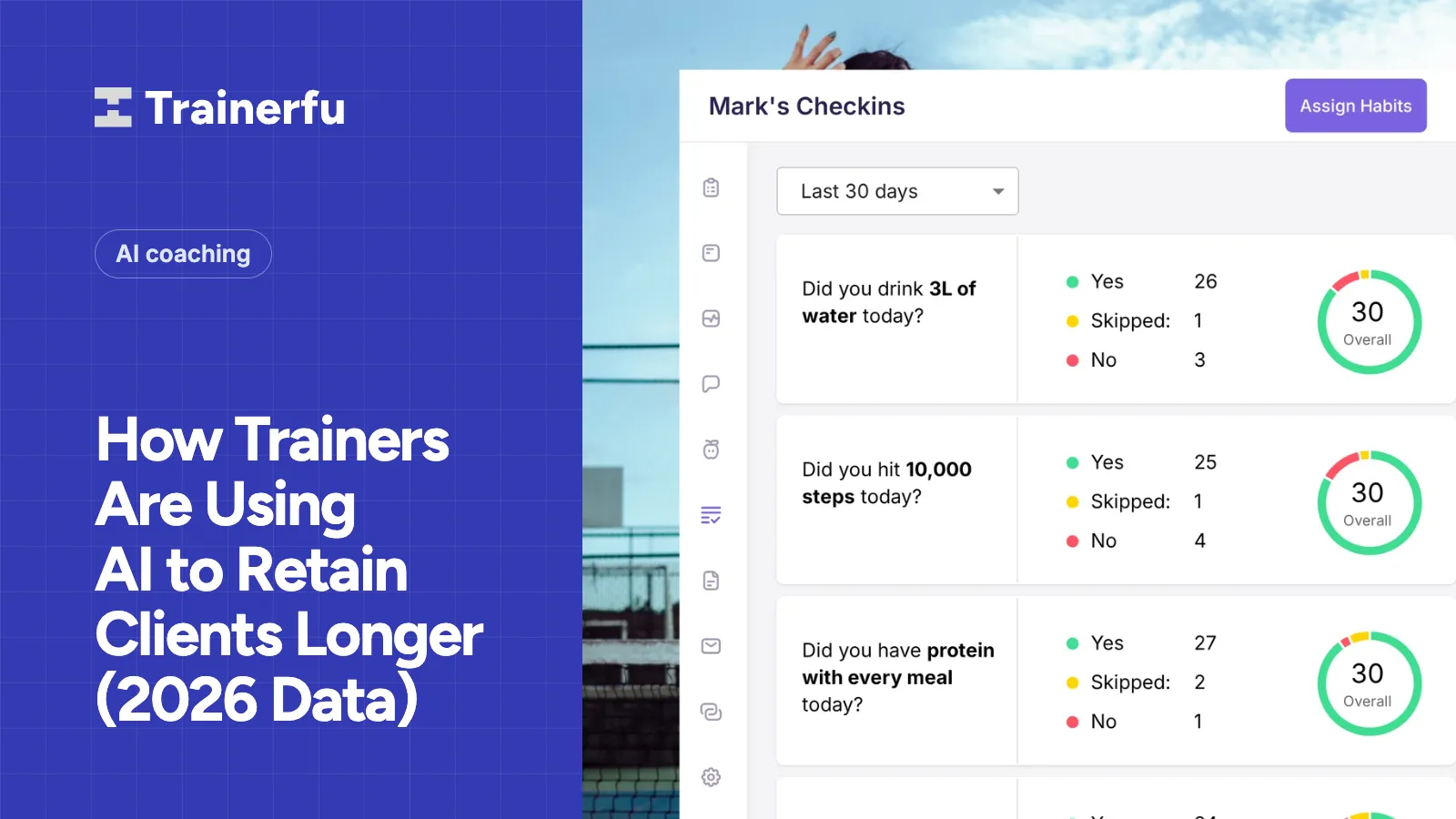
How Trainers Are Using AI to Retain Clients Longer (2026 Data)
An honest, data-backed guide to how AI fitness coaching supports client retention through better timing, personalisation, feedback, and trainer follow-up.
Read article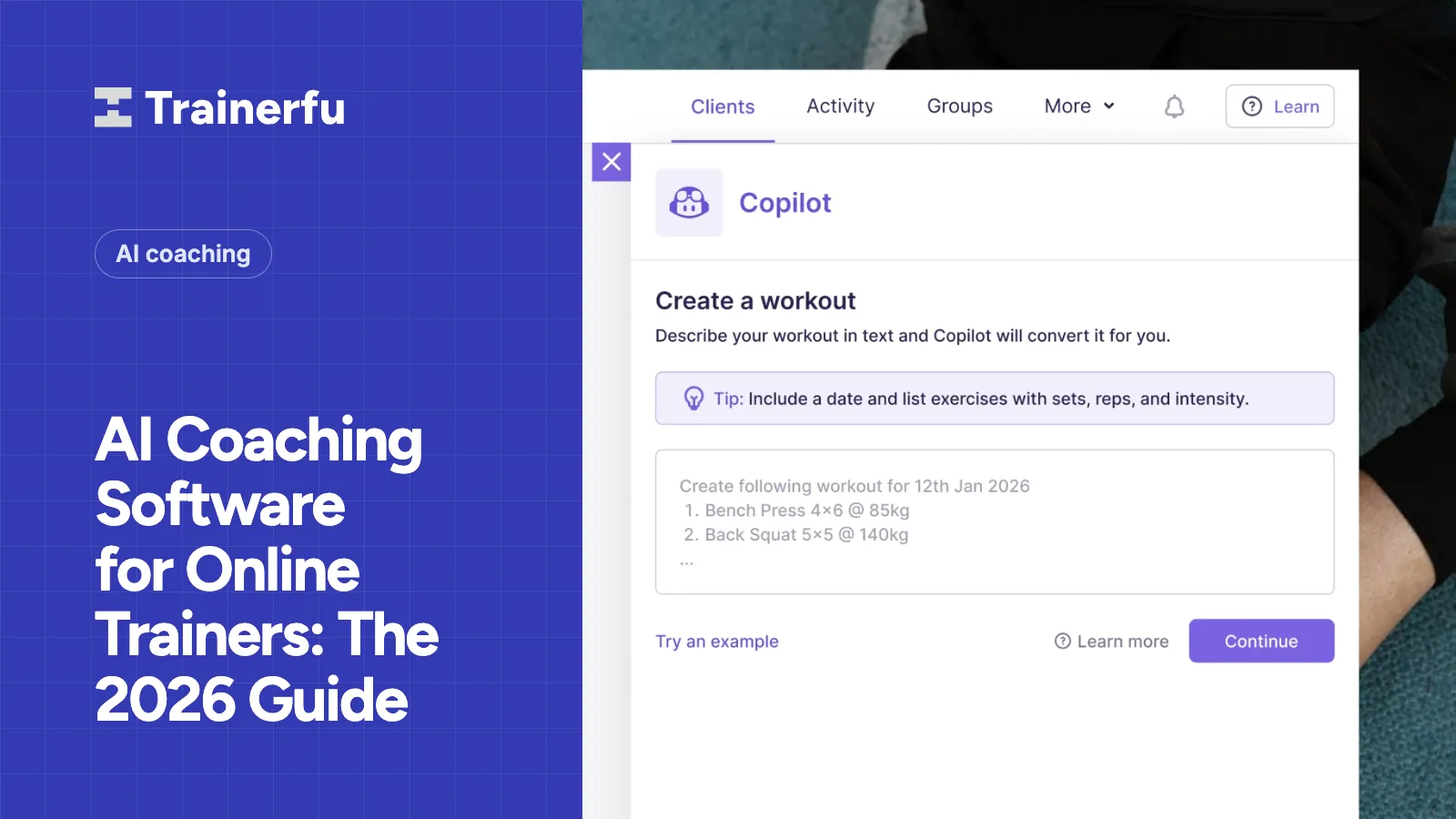
AI coaching
AI Coaching Software for Online Trainers: The 2026 Guide
An honest guide to AI coaching software for online trainers in 2026, covering what the AI actually does, what to look for, and how to choose without the hype.
Read article
AI coaching
5 Best FitSW Alternatives for Personal Trainers
An honest look at the best FitSW alternatives in 2026, covering AI features, client management, and which platform fits your coaching business.
Read article